
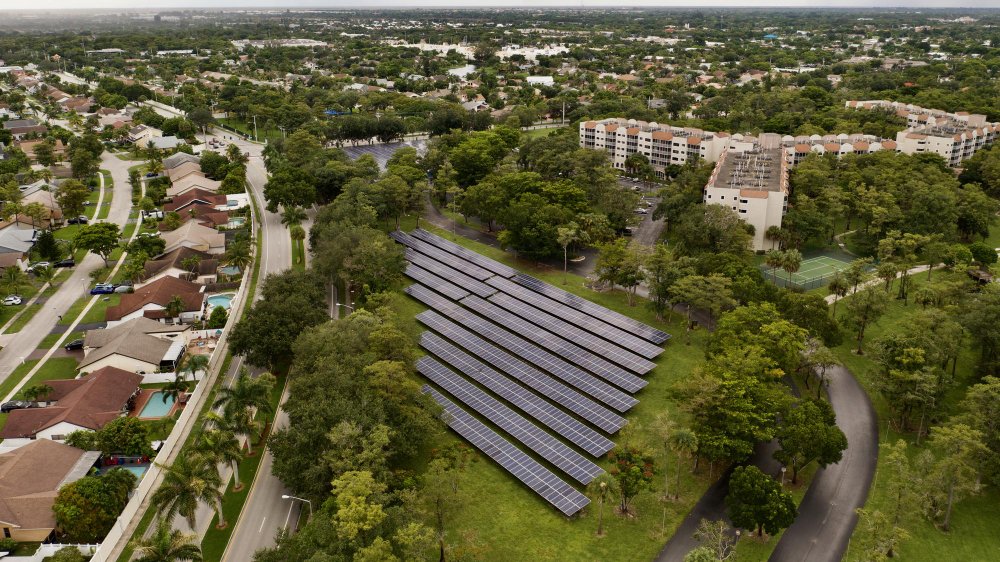
As the demand for clean and affordable energy continues to grow, many people are looking for ways to benefit from solar power without installing panels on their own property. This is where community solar projects make a real difference. They provide access to renewable energy for homeowners, renters, businesses, and organizations that may not have suitable rooftops or the budget for a private solar system.
Across the United States, especially in California, community solar is becoming an important part of the clean energy transition. Supported by evolving policies and programs from the California Public Utilities Commission, these projects help expand access to renewable energy while strengthening local communities.
In this guide, we’ll explore how community solar works, its advantages, and why it continues to gain popularity.
What Are Community Solar Projects?
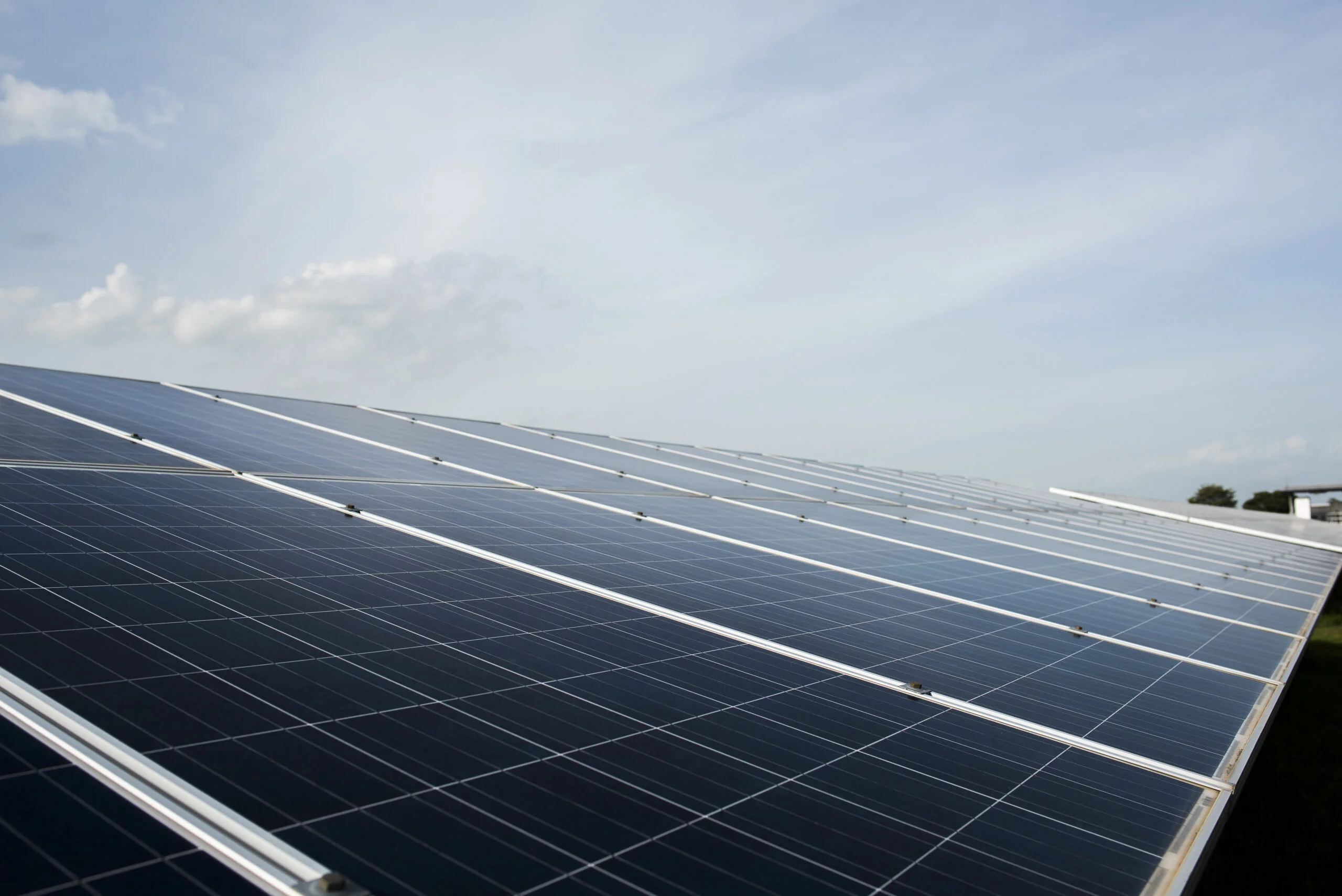
Community solar projects are shared solar energy systems that generate electricity for multiple participants. Instead of installing solar panels on every home or business, a larger solar array is built at a central location. Participants subscribe to or purchase a portion of the electricity generated and receive credits on their utility bills.
This model makes solar energy accessible to people who:
- Rent their homes
- Live in apartments or condominiums
- Have shaded or unsuitable rooftops
- Prefer not to install rooftop solar systems
As interest in community solar continues to grow, more neighborhoods are benefiting from affordable renewable energy without the need for individual installations.
How Community Solar Works?
A community solar project operates much like a shared investment in clean energy.
The process generally includes:
- A solar farm or shared solar installation is developed.
- Households or businesses subscribe to a share of the project’s energy production.
- The electricity generated is delivered to the local utility grid.
- Subscribers receive energy bill credits based on their share of production.
This approach allows participants to enjoy the financial benefits of solar without owning or maintaining rooftop equipment.
Benefits of Community Solar Projects
One of the biggest reasons for the growth of community solar projects is the wide range of benefits they provide to both individuals and local communities.
Greater Access to Clean Energy
Not every property is suitable for rooftop solar. Community programs allow almost anyone to participate in renewable energy, regardless of where they live.
This makes community solar in California an excellent option for renters, apartment residents, and homeowners with older roofs.
Lower Electricity Costs
Subscribers often receive credits that reduce monthly electricity bills. While savings vary by program, many participants enjoy long term financial benefits without significant upfront investments.
Environmental Benefits
Community solar helps reduce greenhouse gas emissions by replacing electricity generated from fossil fuels with clean solar power.
As more community solar projects in California come online, they contribute to the state’s ambitious renewable energy and climate goals.
Stronger Local Communities
Shared solar developments create local jobs during planning, construction, installation, and maintenance. They also encourage community participation in sustainable energy initiatives.
Many commercial community solar developments support schools, municipalities, nonprofits, and local businesses by providing access to affordable clean electricity.
No Maintenance Responsibilities
Unlike rooftop systems, participants do not need to worry about equipment maintenance, repairs, or monitoring. The project operator manages the entire system.
The Role of the California Public Utilities Commission
The California Public Utilities Commission plays a significant role in expanding renewable energy access throughout the state.
Its policies help:
- Encourage renewable energy development
- Support community participation
- Improve grid reliability
- Expand access for low income households
- Promote fair utility programs
These initiatives continue to strengthen california community solar opportunities across many regions.
Community Solar Installation Process
Developing a community solar installation involves several important stages.
Site Selection
Developers identify suitable land with strong solar exposure and grid accessibility.
System Design
Engineers design the solar array for maximum efficiency while meeting local permitting and utility requirements.
Permitting and Utility Approval
Projects must obtain approvals from local authorities and utility providers before construction begins.
Construction
Solar panels, inverters, mounting systems, and electrical infrastructure are installed and tested.
Subscriber Enrollment
Residents and businesses join the program and begin receiving utility bill credits after the project becomes operational.
Why California Is Leading Community Solar Growth
California has long been a leader in renewable energy adoption. Strong sunshine, ambitious clean energy policies, and continued support from the California Public Utilities Commission have helped accelerate the growth of community solar in California.
Many communities are embracing shared solar because it provides:
- Affordable renewable energy
- Increased grid resilience
- Reduced carbon emissions
- Greater energy equity
- Long term economic benefits
As more community solar projects in California are developed, access to clean energy continues to expand across the state.
Is Community Solar Right for You?
Community solar can be an excellent choice if you:
- Cannot install rooftop solar
- Rent your property
- Want lower electricity costs
- Support renewable energy
- Prefer hassle free participation
Both homeowners and businesses can benefit from these flexible programs while contributing to a cleaner future.
Final Thoughts
Community solar is making renewable energy more accessible, affordable, and practical for millions of people. By allowing residents and businesses to share the benefits of clean energy, these projects help reduce electricity costs, strengthen local economies, and support a more sustainable future.
If you’re interested in learning more about community solar solutions or planning your next renewable energy project, Solarestique is here to help. Contact Solarestique today for expert guidance and customized solar solutions designed to meet your energy goals.
FAQs
What is community solar?
Community solar allows multiple participants to share electricity generated from a single solar installation and receive credits on their utility bills.
Who can join a community solar project?
Homeowners, renters, businesses, nonprofits, and public organizations can often participate depending on program availability.
Do I need to install solar panels on my roof?
No. Community solar participants receive benefits without installing any equipment on their property.
Is community solar available in California?
Yes. California community solar programs continue to expand with support from state policies and utility initiatives.
Can businesses participate in community solar?
Yes. Many commercial community solar projects are designed specifically for businesses, schools, and public institutions.