







Installing solar panels is one of the smartest investments homeowners in Houston can make. With abundant sunshine, rising electricity costs, and growing interest in renewable energy, residential solar systems continue to gain popularity. However, before installation begins, every project must meet local permitting, building codes, and utility regulations. Understanding the Houston residential solar project requirements can help homeowners avoid delays, reduce unexpected costs, and ensure a safe, code compliant installation.
Whether you are planning a new rooftop solar system or upgrading an existing one, this guide explains everything you need to know about permits, codes, and compliance in Harris County.
Why Solar Permits Are Important?
Solar permits are designed to protect homeowners, contractors, and the electrical grid. They ensure every installation meets structural, electrical, and fire safety standards before the system is connected and activated.
Obtaining Houston residential solar permits is not simply a paperwork requirement. It verifies that your solar project has been reviewed by the appropriate authorities and complies with all applicable regulations.
Skipping permits or submitting incomplete documents can result in project delays, inspection failures, fines, or additional construction costs.
Understanding Houston Residential Solar Project Requirements
The Houston residential solar project requirements include several stages that every homeowner and installer should understand before beginning construction.
These requirements generally include:
- Site evaluation and roof assessment
- Solar system design
- Permit application
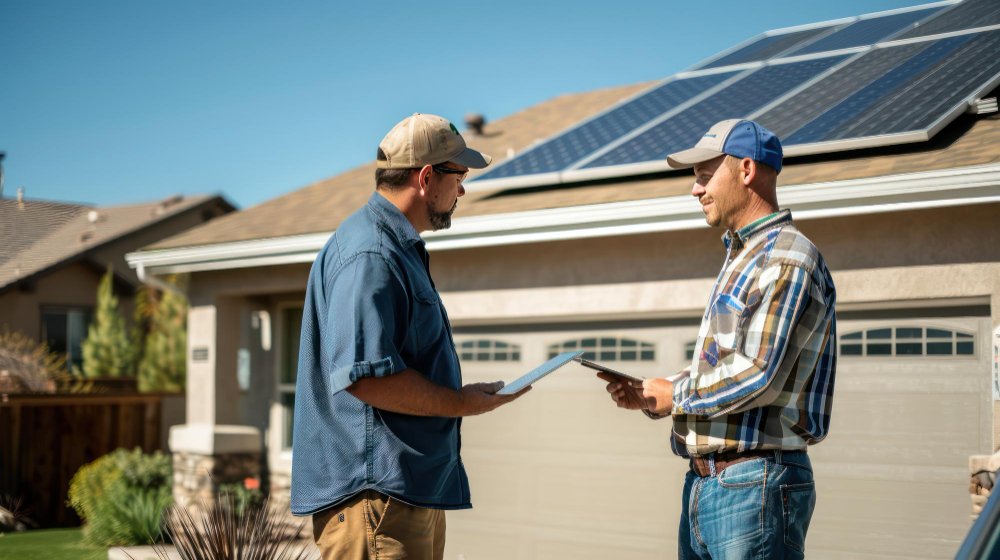
- Structural and electrical review
- Installation
- Final inspection
- Utility approval for grid connection
Following the proper process ensures your investment is protected and your solar system operates safely for years to come.
Harris County Solar Permits
Most residential solar installations require Harris County solar permits before work can begin. The permitting process confirms that the proposed system complies with local construction and electrical regulations.
Permit applications generally include:
- Site plans
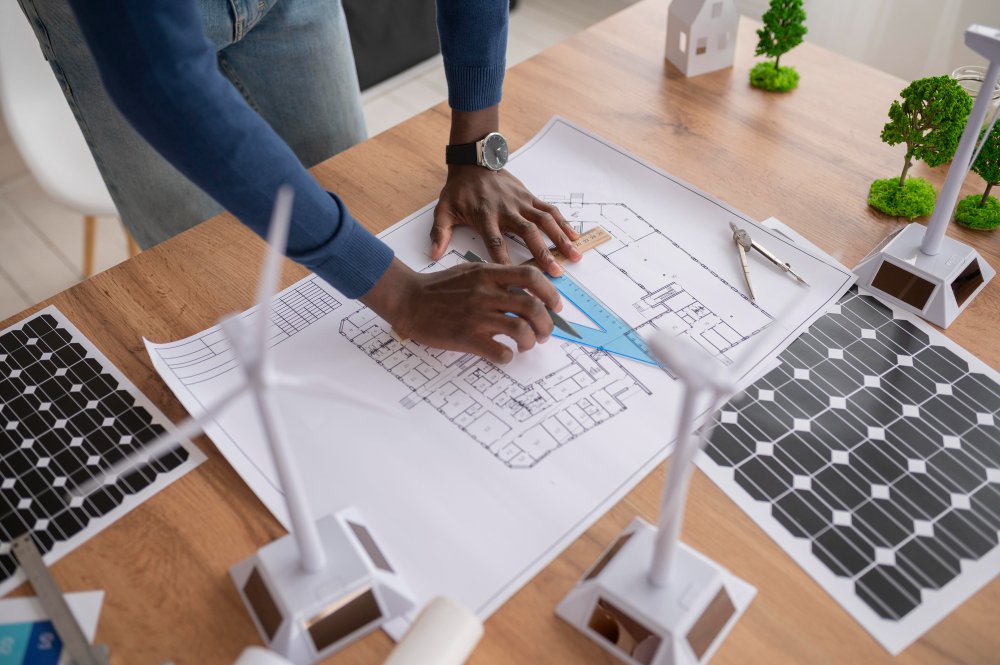
- Roof layout drawings
- Structural calculations
- Electrical diagrams
- Equipment specifications
- Mounting details
Submitting complete and accurate documentation helps speed up approvals and minimizes requests for revisions.
Residential Solar Permit Requirements Houston
Understanding the residential solar permit requirements Houston homeowners must follow is essential for a smooth installation.
Some of the most common requirements include:
Structural Safety
Your roof must be capable of supporting the additional weight of solar panels and mounting equipment. Structural calculations may be required depending on the roof type and system size.
Electrical Compliance
Solar systems must comply with the latest electrical safety standards. Proper wiring, disconnect switches, grounding, and inverter placement are carefully reviewed during permitting and inspection.
Fire Safety Access
Local regulations often require minimum setbacks around roof edges and pathways for emergency responders.
Equipment Certification
Solar panels, inverters, batteries, and mounting hardware should be certified and approved for residential installations.
Meeting these residential solar permit requirements Houston homeowners face can significantly reduce delays during inspections.
Houston Solar Installation Requirements
Every project must also satisfy Houston solar installation requirements established by local authorities and utility providers.
Professional installers should ensure:
- Panels are securely mounted.
- Electrical components are properly labeled.
- Wiring follows approved electrical standards.
- Equipment is installed according to manufacturer guidelines.
- The finished system passes all required inspections.
Following Houston solar installation requirements improves both safety and long term system performance.
Codes and Compliance Every Homeowner Should Know
Permits are only one part of the process. Every solar installation must also comply with local building codes and national safety standards.
Building Codes
Building codes ensure that solar equipment is safely attached to your home without compromising the roof structure. Installers must consider wind loads, roof materials, and weather conditions common in the Houston area.
Electrical Codes
Residential solar systems must comply with current electrical standards that govern wiring methods, grounding, overcurrent protection, and equipment installation. These codes help prevent electrical hazards and ensure reliable operation.
Utility Compliance
If your solar system connects to the utility grid, additional approval may be required before activation. Utility providers review the installation to confirm it meets interconnection standards and operates safely alongside the public electrical network.
Maintaining compliance throughout every stage of the project helps prevent costly corrections after installation.
Common Mistakes That Delay Solar Projects
Many homeowners experience unnecessary delays because of avoidable mistakes during permitting.
Some of the most common issues include:
- Incomplete permit applications
- Missing structural calculations
- Incorrect electrical diagrams
- Non approved equipment
- Failure to meet local code requirements
Working with experienced professionals helps ensure every document is accurate before submission.
Benefits of Professional Permit Design
Hiring professionals familiar with Houston residential solar project requirements offers several advantages.
- Faster permit approvals
- Accurate engineering documentation
- Compliance with local building and electrical codes
- Reduced project delays
- Smooth inspection process
- Greater peace of mind throughout the installation
Professional planning often saves both time and money while reducing the risk of permit rejection.
Final Thoughts
Installing residential solar panels in Houston is a valuable long term investment, but success begins with proper planning. Understanding permits, building codes, electrical regulations, and compliance requirements helps ensure your project moves from design to installation without unnecessary setbacks.
If you are planning a residential solar project and need expert assistance with permit design, documentation, and compliance, Solarestique is ready to help. Contact Solarestique today for professional guidance and dependable support that keeps your solar project moving forward with confidence.
FAQs
Do I need a permit to install residential solar panels in Houston?
Yes. Most residential solar systems require permits before installation begins.
How long does the permit process take?
Approval times vary depending on project complexity and documentation quality, but complete applications generally move through the process more efficiently.
What inspections are required after installation?
Most systems require structural, electrical, and final inspections before receiving permission to operate.
Can I install solar panels without following local codes?
No. Every installation must comply with local building codes, electrical standards, and permitting requirements.
Why should I work with a professional solar permit company?
Experienced professionals understand local regulations, prepare accurate documentation, and help minimize delays throughout the approval process.